Overview of Cherry Picker
What is a Cherry Picker?
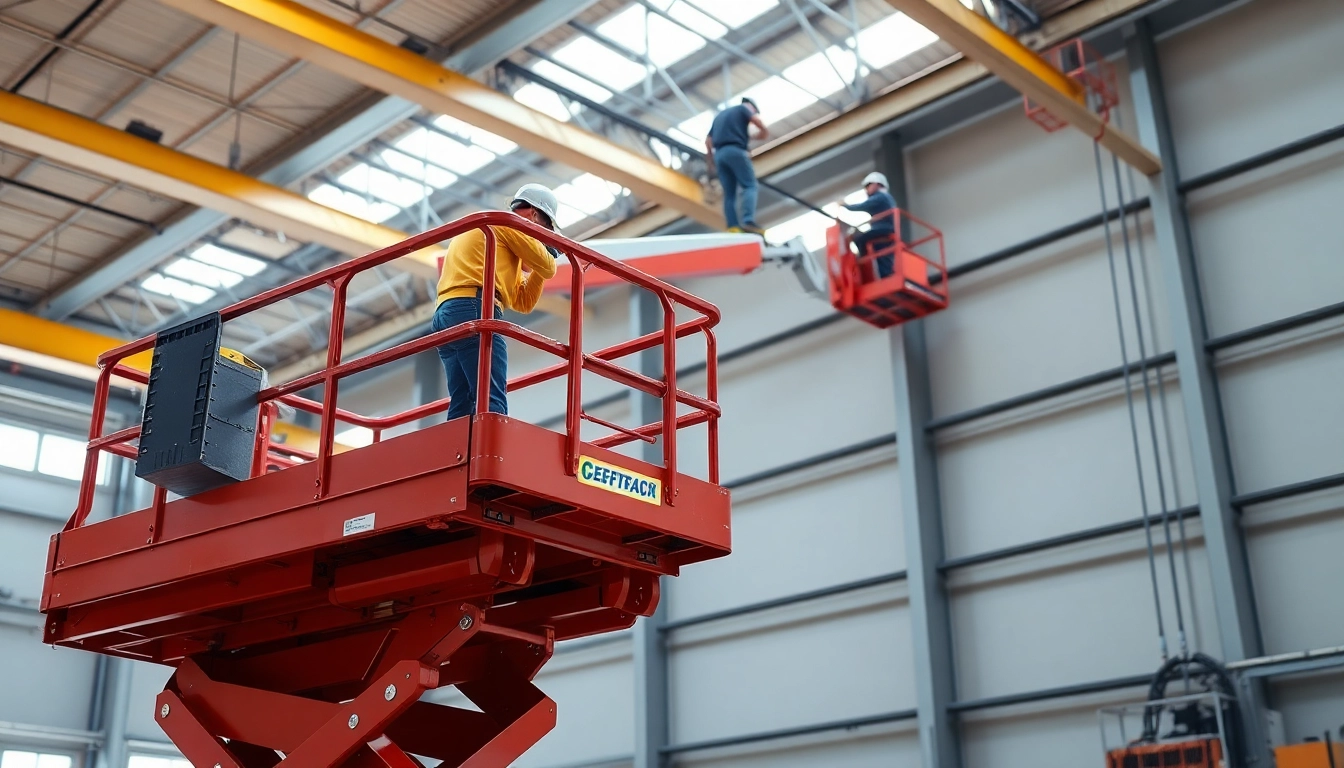
A cherry picker, also known as an aerial work platform (AWP), is a type of mechanical device designed to provide temporary access for individuals to reach elevated areas safely and efficiently. This versatile equipment consists of a platform or bucket attached to an extensible boom, allowing operators to work at significant heights that would otherwise be difficult to access. Cherry pickers are widely used in various industries for tasks such as maintenance, construction, and tree trimming. To understand more about the technical aspects and types of cherry pickers, it's essential to explore the various configurations available in the market.
Types of Cherry Pickers
Cherry pickers come in different types and sizes, each offering unique functionalities tailored for specific applications. Here are the primary categories:
- Towable Cherry Pickers: These units are lightweight and can be towed behind vehicles. They are perfect for small jobs and can be easily transported from one site to another.
- Self-Propelled Cherry Pickers: Equipped with an onboard engine, these machines can move autonomously, making them ideal for larger worksites where mobility is crucial.
- Truck-Mounted Cherry Pickers: These cherry pickers are mounted on the back of trucks, providing additional reach and mobility. They are commonly used in utility work and large construction projects.
- Vertical Mast Lifts: Designed for indoor applications, these cherry pickers have a vertical lifting capability and require less space compared to traditional boom lifts.
- Articulating Boom Lifts: These cherry pickers feature joints that allow the platform to be maneuvered around obstacles, making them suitable for complex tasks in construction and telecommunications.
Uses of Cherry Picker in Various Industries
The adaptability of cherry pickers has made them an invaluable tool across several sectors:
- Construction: Used for reaching high areas during building projects, cherry pickers aid in installing windows, roofing, and performing structural inspections.
- Maintenance and Repair: Facilities like shopping malls and factories employ cherry pickers for repairing lights, painting ceilings, and maintaining HVAC systems.
- Agriculture: Farmers use cherry pickers for harvesting fruits and accessing crops planted at heights.
- Telecommunications: Technicians utilize cherry pickers to install and repair phone lines, antennas, and other equipment.
- Event Management: Cherry pickers are used for setting up stages and lighting for concerts and events to ensure safe and efficient access to elevated areas.
Benefits of Using Cherry Picker
Increased Safety for Elevated Work
One of the primary advantages of using a cherry picker is the significant improvement in safety standards for elevated work. These platforms offer stable surfaces equipped with safety features such as guardrails, harness points, and emergency lowering systems. This minimizes the risk of falls, one of the leading causes of workplace injuries. Operators can also use safety equipment like harnesses for added security.
Enhanced Efficiency and Productivity
Cherry pickers allow workers to access heights quickly and effortlessly, significantly reducing the time needed for tasks compared to traditional ladders or scaffolding. This increased mobility ensures that teams can work efficiently, completing projects within tight deadlines without compromising safety.
Cost-effectiveness of Cherry Picker Use
By reducing the time laborers spend on tasks and decreasing the risk of accidents, cherry pickers can lead to substantial cost savings. Furthermore, with the ability to handle various jobs in one unit, companies can minimize equipment expenditure and improve return on investment.
How to Choose the Right Cherry Picker
Understanding the Work Environment
Before selecting a cherry picker, assess the work environment. Factors such as indoor versus outdoor application, surface condition, and potential obstacles must be considered. Indoor spaces may require compact models, while outdoor tasks may demand more robust units with greater reach.
Evaluating Weight Capacity and Reach
Each cherry picker has a specified weight capacity and operational reach, influencing which model is suitable for a specific task. Evaluate the combined weight of the personnel and equipment that will be on the platform to avoid overloading and ensure compliance with safety regulations.
Choosing Between Manual and Self-Propelled Options
Deciding whether to go for a manual or self-propelled cherry picker depends largely on mobility needs. Manual units require operators to maneuver them, while self-propelled cherry pickers provide easier navigation on large job sites. Assess the specific needs of your project to make a well-informed decision.
Safety Practices When Using Cherry Picker
Pre-Operation Safety Checks
Prior to operating a cherry picker, conducting detailed pre-operation checks is essential. Inspect the machinery for visible damage, test the emergency systems, and ensure that all safety features such as guardrails are in good working order. Additionally, check the site for potential hazards such as overhead power lines.
Proper Training for Operators
Providing adequate training for cherry picker operators is crucial. Training must encompass safe operation practices, understanding the machinery's controls, and emergency procedures. Operators should also be familiar with the site where they will work, ensuring they understand all access points and potential hazards.
Safety Gear and Equipment Recommendations
Operators should always wear appropriate personal protective equipment (PPE) when using cherry pickers. This includes helmets, safety harnesses, and non-slip footwear. Additionally, it's recommended to have a first aid kit accessible at the job site in case of emergencies.
Frequently Asked Questions About Cherry Picker
What is the maximum height a cherry picker can reach?
The maximum height of a cherry picker varies by model, typically ranging from 30 to over 100 feet, with specialized units designed for higher elevations.
Are cherry pickers safe to use?
When operated correctly and following safety guidelines, cherry pickers are safe. Operators must be trained, and pre-operation checks should be performed regularly to ensure safety.
How often should a cherry picker be inspected?
Cherry pickers should be inspected before each use, with thorough inspections conducted at least once a year by qualified personnel, adhering to local regulations.
Can cherry pickers be rented?
Yes, many equipment rental companies offer cherry pickers for short-term and long-term rentals, providing flexibility for varying project demands.
What should an operator wear when using a cherry picker?
Operators should wear a safety helmet, appropriate harness, and non-slip footwear, ensuring that they are equipped with necessary PPE for elevated work.
Contact Information
Call Us:4062607988Address: 3906 MT-40, Columbia Falls, MT 59912