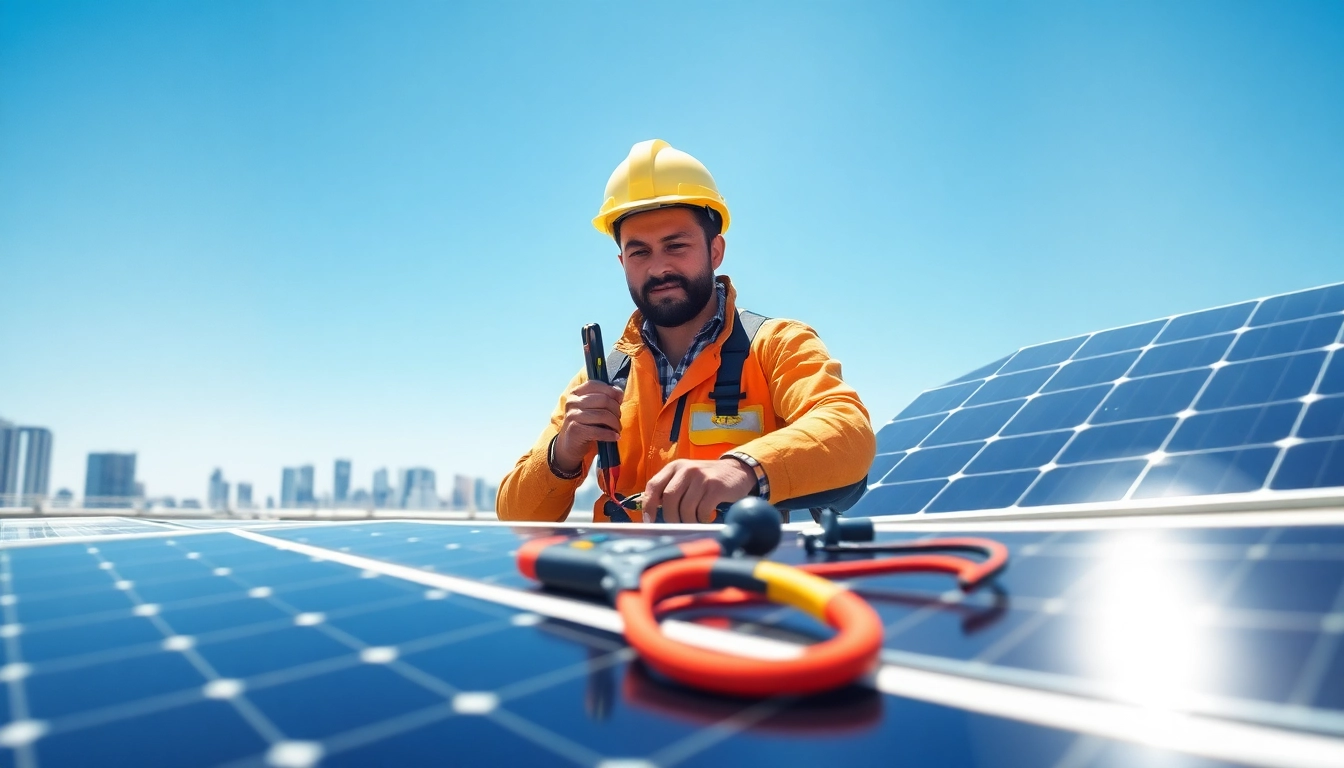
Understanding Emergency Solar Panel Repair
In an era where renewable energy is becoming increasingly vital, solar energy systems provide a sustainable solution for many homeowners and businesses. However, like any technology, solar panels may experience issues, sometimes requiring urgent attention. When faced with such situations, understanding the ins and outs of emergency solar panel repair becomes crucial to ensure that your energy source remains uninterrupted. In this article, we will delve deep into emergency repairs, the common signs of damage, the importance of rapid responses, and how to prepare for a professional inspection.
What Constitutes an Emergency Repair?
An emergency repair is any incident that severely affects your solar panel system's functionality, posing risks to safety, efficiency, or economic stability. Ignoring such issues can lead to significant power interruptions, financial losses, or electrical hazards. Emergencies may be triggered by environmental factors such as storms, hail, or heavy snowfall, as well as internal system failures or damage caused by wildlife.
Common Reasons for Emergencies
- Severe Weather Conditions: Natural disasters such as hurricanes and thunderstorms can damage panels or wiring.
- Electrical Malfunctions: Inverter failures or wiring issues can entirely halt production.
- Physical Damage: Accidents, vandalism, or even animal-related damage can necessitate immediate repairs.
- Component Wear: Over time, components can degrade, leading to reduced efficiency or complete failure.
Initial Steps to Take
Upon identifying an emergency repair situation, the first step is to ensure safety. Turn off the solar power system and avoid contact with the panels or wiring. Contact a qualified technician who can assess the situation accurately. Document the damage with photos for insurance claims and professional evaluations.
Identifying Signs of Damage
Regular maintenance and monitoring are essential for ensuring your solar energy system operates efficiently. Recognizing the early signs of damage can prevent minor issues from escalating into emergencies. Here’s how to systematically identify damage:
Visual Inspection Techniques
Performing a visual inspection is the first step in identifying potential issues. Look for:
- Cracks or Chips: Damage to the solar panels can drastically affect their output.
- Corrosion: Inspect connectors and junction boxes for signs of rust.
- Debris: Clean panels from accumulated leaves, dust, or snow that might block sunlight.
Monitoring System Performance
Utilize online monitoring systems provided by your solar power company. Check performance metrics regularly. Look for:
- Drop in Energy Output: A sudden drop could indicate potential damage.
- Battery Performance: If using storage, check battery charge levels. Failure to charge might indicate an inverter issue.
Reading Indicator Lights
Many inverters come equipped with indicator lights that can signal various issues. Familiarize yourself with these signals. For example, a red light may indicate a malfunction, while a green light suggests normal operation.
The Importance of Rapid Response
When it comes to solar panel emergencies, speed is of the essence. The longer you wait to address a problem, the more significant the potential damage and cost.
Benefits of Fast Repairs
Fast repairs minimize downtime and enhance the longevity of your solar system. Quick solutions can lead to:
- Reduced Energy Loss: The sooner you fix the issue, the less energy you lose.
- Less Risk of Major Failures: Addressing problems promptly helps prevent further damage to the system.
Impact on Energy Efficiency
Every moment your solar panels remain inoperative affects your overall energy efficiency. A prolonged downtime can lead to reliance on alternative energy sources, leading to increased utility bills.
Cost Implications of Delays
Delaying repairs can escalate costs significantly. What might start as a minor component replacement can become a hefty repair bill if left unchecked due to further damage or malfunctioning parts needing replacement.
Preparing for Professional Help
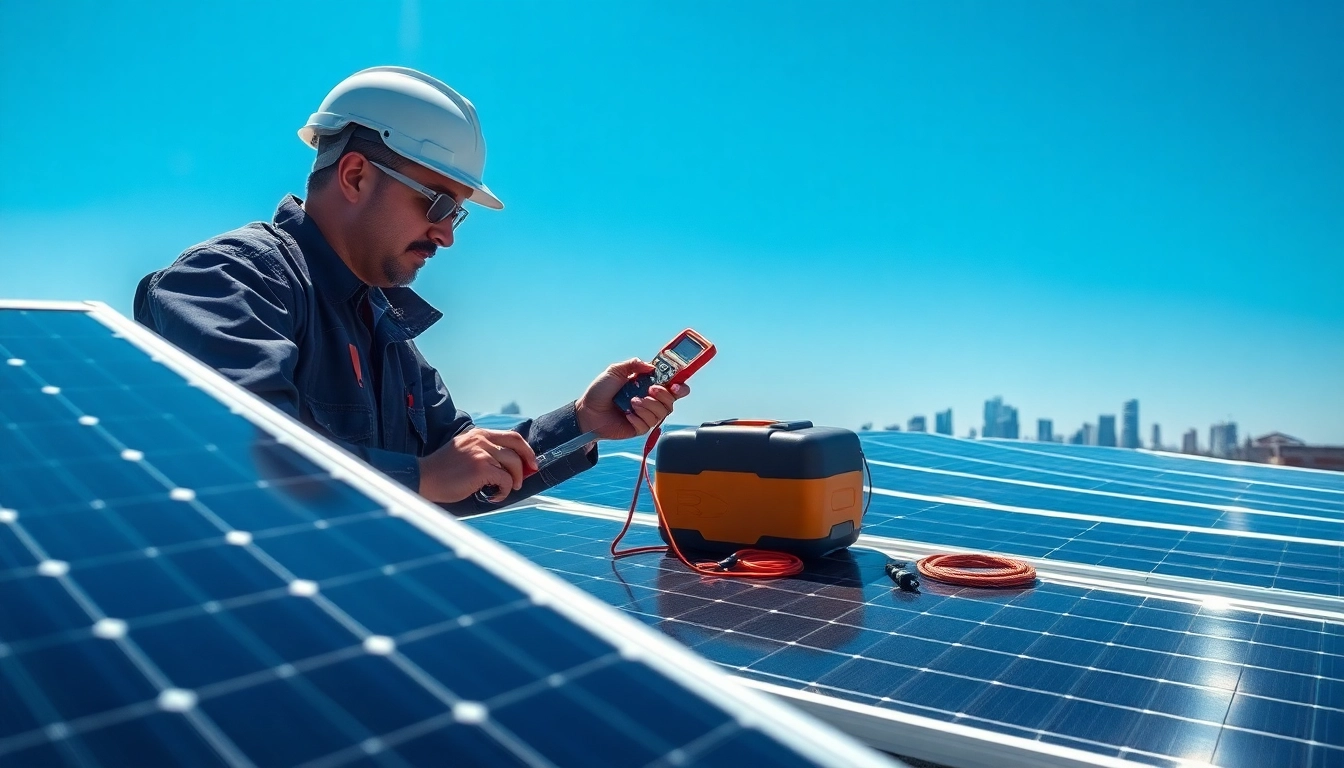
When it's time to call in experts for an emergency solar panel repair, prepare adequately to ensure a smooth experience.
What to Ask Your Technician
Engaging with your technician effectively can make a substantial difference. Here are important questions to consider:
- What are the exact issues identified?
- What is the estimated repair cost?
- How long is the repair expected to take?
Documentation and Costs
Request an itemized list of repairs needed along with associated costs. This allows for better financial planning and makes clear what is being done to your system.
Safety Considerations
Repairing solar panels involves electrical components, so it’s crucial to emphasize safety. Ensure that technicians have proper certifications and safety gear, such as gloves and hard hats.
FAQs and Common Concerns
Frequently Asked Questions about Emergency Repairs
Q1: How quickly should I seek emergency solar panel repair? A: It is best to reach out for repairs as soon as you notice any issues to avoid escalation.
Q2: What are the costs associated with emergency repairs? A: Costs can vary widely, typically ranging from $400 to $1000 depending on the repair required.
Q3: Can I perform repairs on my own? A: While minor issues may allow for DIY fixes, most repairs should be handled by qualified technicians for safety reasons.
Q4: How can I prevent emergencies in the future? A: Regular maintenance checks and by monitoring performance will help catch potential problems early.
Q5: What should I do if I detect fire risks around my solar panel? A: Immediately shut down the solar system and contact emergency services; prioritize safety over all.
Typical Repair Costs and Factors
When seeking out repairs, several factors can influence costs, such as the type of damage, parts needed, and labor. Regular maintenance can also help mitigate repair costs over time through preemptive measures.
How to Prevent Future Emergencies
Creating a routine maintenance schedule and having an emergency contact list can significantly reduce the risk of future issues. Investing in protective measures such as weatherproofing and fencing can also thwart damage from environmental factors and wildlife.