Understanding the Benefits of Giant Foam Building Blocks
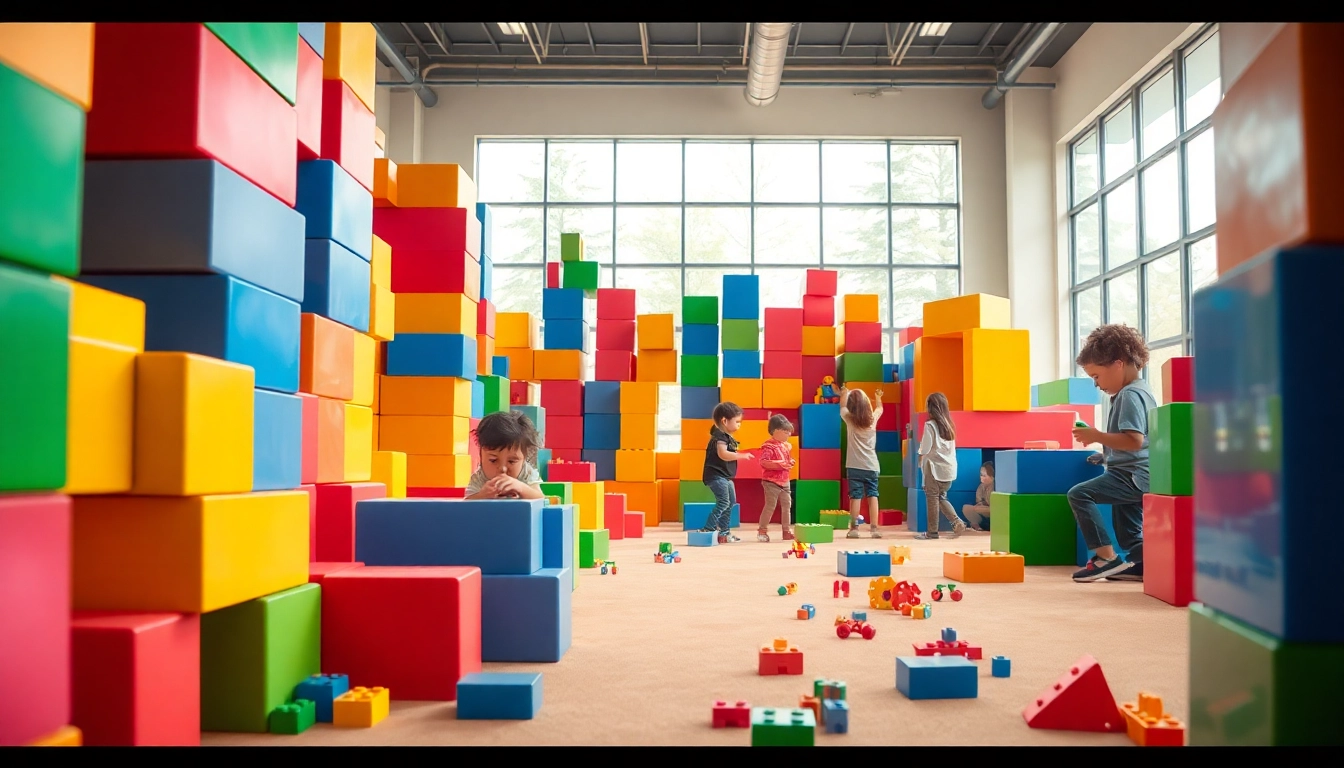
Giant foam building blocks have become increasingly popular as a playground staple, offering countless benefits for children's development and play. From fostering creativity to enhancing physical skills and social interaction, these versatile toys provide the foundation for imaginative adventures. With a wealth of different block types and sizes available, it's easy to find out more about how they can positively impact playtime experiences.
Enhancing Cognitive Development
Giant foam building blocks are more than just fun; they are essential tools for cognitive growth. Engaging with these blocks encourages children to think critically as they explore various architectural designs, balance, and spatial reasoning. As kids manipulate the larger-than-life pieces, they experiment with concepts like gravity, stability, and cause-and-effect, refining their problem-solving skills.
Furthermore, building tasks require planning and foresight. For example, a child might envision a structure before they even begin stacking blocks. This process of visualizing outcomes significantly boosts creativity and imagination—key components in cognitive development.
Encouraging Physical Activity
Physical activity is vital for a child's overall health, and giant foam blocks inspire children to move. They encourage active play through lifting, stacking, and even climbing, resulting in enhanced gross motor skills and strength. As children drag blocks across diverse terrains, they develop coordination and balance, facilitating important physical milestones.
In addition, the lightweight nature of foam blocks means that children can easily manage them without the risk of injury. This safety benefit enables kids to engage more freely in outdoor settings or indoor play areas, fostering a love for movement and exploration.
Boosting Social Interaction
Group play is an integral part of childhood, and giant foam building blocks serve as a fantastic medium for fostering social skills. By collaborating on building projects, children learn valuable lessons in communication, negotiation, and teamwork. They must often discuss their plans, share materials, and break down tasks, ultimately developing empathy and respect for others' ideas.
Moreover, as kids engage in cooperative play, they build friendships and improve their emotional intelligence. These interactions enable children to navigate social dynamics, learning how to take turns and resolve conflicts throughout shared play experiences.
Choosing the Right Giant Building Blocks
Material Safety and Quality
When selecting giant foam building blocks, prioritizing material safety and quality is essential. High-quality foam is durable, non-toxic, and free from harmful chemicals, ensuring that even the most vigorous playtime doesn’t pose health risks. Always check for certifications, such as ASTM or CPSC, to confirm compliance with safety standards.
Additionally, the resilience of the material ensures that blocks withstand rough play, minimizing the chance of wear and tear. Investing in quality products not only protects children but also offers better value over time.
Size and Weight Considerations
Consider the size and weight of the blocks to find the perfect sets for your space and group size. Larger blocks may provide exciting challenges for kids, while smaller ones can cater to various skill levels and ages. The weight of foam blocks affects how easily children can handle them; lighter blocks allow younger children to participate more actively in building exercises.
Ultimately, the ideal set should balance size and user capability, ensuring that the blocks can stimulate interest while being manageable for those who play with them.
Features to Look For
Not all giant foam building blocks are created equal. Look for features that add value and enhance play experiences, such as interlocking designs that promote stability and creative possibilities. Blocks with various shapes and colors can inspire children to explore diverse building configurations, while textured surfaces may encourage tactile learning.
Additionally, consider sets that include unique shapes like arches or triangles, which push children to branch out beyond basic structures. Some foam blocks even come with educational prints or patterns, blending learning with play in a seamless manner.
Creative Ways to Play with Giant Foam Blocks
Theme-Based Construction Projects
Imaginative play can be significantly enriched through thematic construction projects. Encourage children to build specific structures, like castles or houses, providing prompts that stimulate their creativity. This kind of play allows for storytelling, where kids can create narratives around their builds, transforming their building sessions into epic adventures.
Moreover, thematic projects can be expanded into group activities, such as building a city or a zoo. Such collaborative efforts reinforce teamwork and make playtime even more engaging.
Incorporating Learning with Play
Combining learning objectives with play encourages children to develop essential life skills in a fun, engaging way. For example, challenge children to build certain structures using specific shapes or colors, reinforcing lessons in geometry and color recognition during play. Integrating math challenges, such as measuring the height or width of different structures, further promotes cognitive engagement.
While building, educators and parents may weave in discussions about architecture, physics, or environmental considerations. The playful context makes learning memorable and enjoyable.
Outdoor vs. Indoor Adventures
Giant foam blocks are versatile enough to facilitate thrilling adventures both indoors and outdoors. Outdoor settings provide ample space for larger, more dynamic building projects that can incorporate natural elements like trees or water features. Children can freely explore their surroundings, integrating their builds into the environment.
Conversely, indoor adventures allow for more structured play experiences. Parents can create a comfortable play space, utilizing carpets or mats to cushion falls. Either environment enriches the overall playtime experience, adapting to various interests and preferences.
Organizing Epic Indoor Building Sessions
Setting Up the Play Space
Preparing the space for indoor building is essential for maximizing fun and safety. Designate an area free from distractions and hazards, such as sharp objects or furniture. Designating zones for specific activities can enhance organization and help children stay focused.
In addition, consider using comfortable mats or padded flooring to provide a safe environment for children to play. A well-organized space sets the stage for immersive, uninterrupted play sessions, ultimately enriching the child’s experience.
Creating Rules for Cooperative Play
To foster healthy interactions among children during indoor play sessions, establish rules that promote cooperation and respect. Guidelines might include sharing blocks, taking turns, and listening to each other’s ideas. Setting expectations ensures that play sessions remain enjoyable and productive.
Encouraging children to self-police by gently reminding each other of the rules can also promote a sense of ownership over the play environment. When children feel responsible for their actions, they experience personal growth and develop essential interpersonal skills.
Engaging Themes to Inspire Creativity
Using engaging themes can significantly enhance children’s creativity during building sessions. For example, organizing a "Space Adventure" theme might encourage kids to create rockets, planets, or space stations, while a "Safari Expedition" theme could inspire structures reflecting jungle habitats or safari vehicles.
Incorporating art supplies, such as paints or stickers, can also allow children to customize their blocks and environment, directing their imagination further. Themed play can make building even more thrilling, allowing kids to dive deeply into their creations while providing educational value.
Maintaining and Caring for Giant Building Blocks
Cleaning Techniques for Foam Blocks
Keeping giant foam blocks clean is paramount for ensuring safety and longevity. Regularly wipe down the blocks with a damp cloth and mild soap to remove dirt and germs. For deeper cleaning, particularly in communal play areas, consider using a disinfectant suitable for foam materials.
To avoid damage, always allow foam blocks to air dry completely before storage or further use. This practice helps inhibit mold growth and maintains the integrity of the material.
Storage Solutions
Effective storage solutions are essential for keeping giant foam blocks organized and in good condition. Designate a specific area for storage, utilizing bins or shelves to ensure easy accessibility. Vertical storage options can help maximize floor space while keeping the play area tidy.
Encouraging children to put away blocks after playtime not only fosters responsibility but also contributes to nurturing an orderly environment for future play sessions.
Ensuring Longevity of the Blocks
To prolong the life of giant foam building blocks, handle them with care. Avoid dropping them from great heights or exposing them to harsh conditions, such as extreme temperatures or prolonged moisture. Periodic inspections for signs of wear, such as cracks or tears, can help identify potential issues before they worsen.
By establishing care protocols and educating children about responsible handling, you can maintain the quality of these tools for creative expression and learning.
FAQ Section
What age group are giant foam blocks suitable for?
Giant foam blocks are typically suitable for children aged 2 and up. They are designed to be safe and manageable for young kids, promoting physical play and creativity.
Are giant foam blocks safe for outdoor use?
Yes, giant foam blocks are safe for outdoor use. They are lightweight and durable, making them ideal for various outdoor play environments.
How can I clean giant foam building blocks?
To clean foam blocks, wipe them down with a mild soap solution and a damp cloth. Regular cleaning keeps them hygienic for kids to play with.
Do foam blocks come in different colors and shapes?
Yes, giant foam blocks are available in a variety of colors and shapes, allowing children to explore creativity and engage in diverse building projects.
Can giant foam blocks be used for educational purposes?
Absolutely! Giant foam blocks can be used to teach concepts such as geometry, physics, and creative problem-solving during play, making learning fun.