Understanding House Washing
What is House Washing?
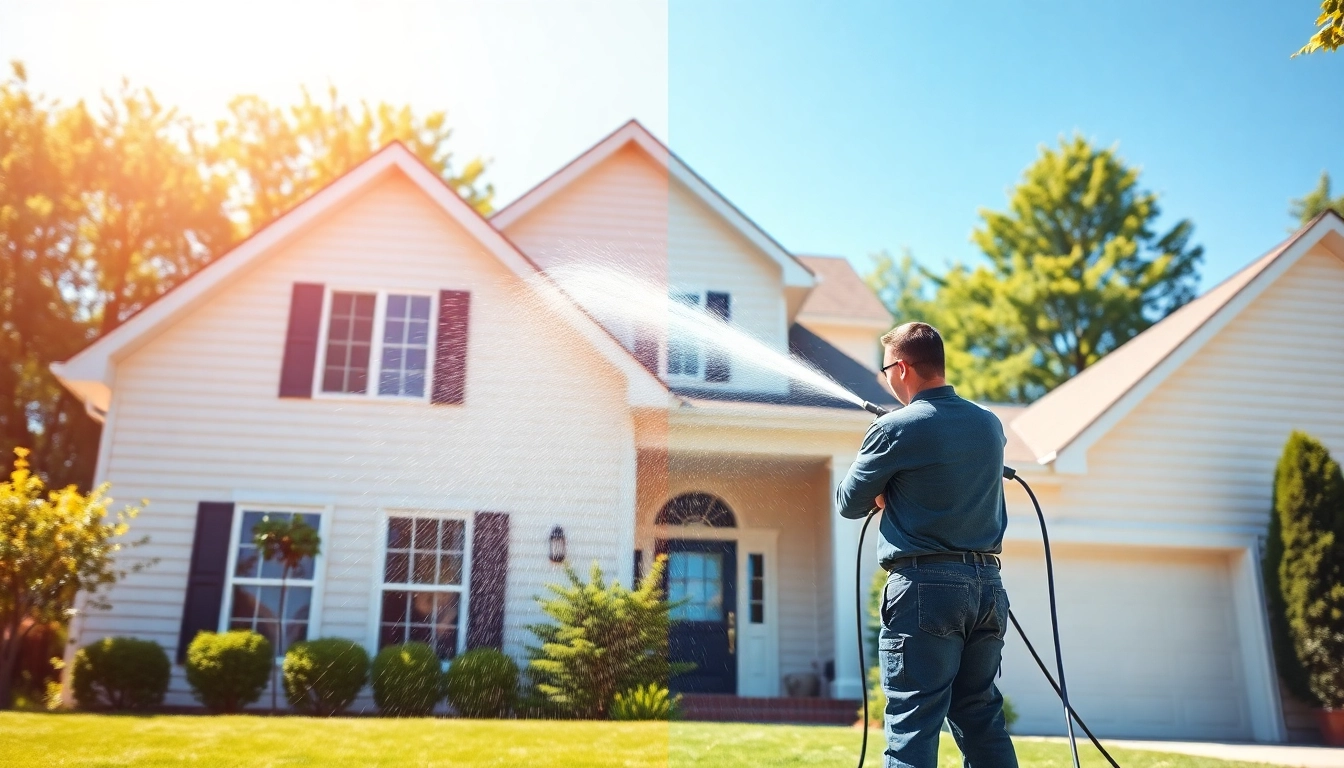
House washing refers to the process of cleaning the exterior surfaces of a home, which can include walls, windows, roofs, and driveways. This cleaning technique typically employs either pressure washing or soft washing methods to remove dirt, mold, algae, grime, and other organic contaminants that accumulate over time. Effective house washing not only enhances the visual appeal of your home but also extends its longevity by preventing moisture damage and decay.
Benefits of House Washing
Regular house washing comes with multiple benefits. Here are some of the leading advantages:
- Enhanced Curb Appeal: A clean home exterior boosts the visual appeal and market value of your house.
- Prevention of Damage: Mold, mildew, and algae can eat away at surfaces, leading to costly repairs.
- Health Improvements: Reducing mold and allergens promotes a safer environment for your family.
- Increased Longevity: Routine cleaning extends the life of your paint and siding materials.
- Improved Energy Efficiency: Clean windows and roofs allow for better insulation and light, reducing energy costs.
Types of House Washing Techniques
There are primarily two methods used for house washing: pressure washing and soft washing.
- Pressure Washing: Utilizes high-pressure water to remove tough stains, dirt, and grime. Suitable for concrete and brick surfaces.
- Soft Washing: Employs a low-pressure technique combined with cleaning solutions. Ideal for delicate surfaces like roofs and painted exteriors.
Preparing for House Washing
Assessing Your Home’s Exterior
The first step before undergoing house washing is to assess the condition of your home’s exterior. Check for:
- Surface Condition: Look for cracks, peeling paint, or discoloration.
- Accumulation of Dirt: Identify areas with heavy dirt accumulation or mold growth.
- Material Type: Recognize whether your home has brick, vinyl siding, or stucco, as this affects the choice of cleaning method.
Choosing the Right Equipment
Having the right equipment ensures an efficient cleaning process. Depending on your chosen technique:
- For Pressure Washing: Invest in a high-quality pressure washer, appropriate nozzles, and safety gear.
- For Soft Washing: You will need a low-pressure washer, a garden sprayer for cleaning solutions, and a ladder for high areas.
Safety Precautions Before Washing
Safety is paramount while cleaning your home. Follow these precautions:
- Wear protective goggles and gloves to shield yourself from chemicals and debris.
- Use non-slip footwear to prevent falls, especially on wet surfaces.
- Ensure that all electrical connections are secure and away from water spray.
Steps for Effective House Washing
Preparation of the Area
Before starting the washing process, take these preparatory measures:
- Clear the area around your home of any furniture, plants, and decorations.
- Cover electrical outlets and nearby fixtures to prevent water damage.
- If necessary, apply a pre-treatment solution where mold and algae are prevalent.
Applying Cleaning Solutions
When applying cleaning solutions:
- For soft washing, mix your chosen cleaner according to manufacturer instructions and spray it evenly over the surface.
- Let the solution sit for a few minutes to break down grime but do not allow it to dry completely.
Washing Techniques: Soft vs. Pressure
The washing technique you choose depends on the type of surface being cleaned:
- Soft Washing: Ideal for delicate surfaces like roofs—apply the solution from a distance of 3-4 feet.
- Pressure Washing: For driveways and patios, hold the nozzle 8-12 inches away and move in a consistent motion.
Aftercare for Effective House Washing
Inspecting for Residual Stains
After washing, take the time to inspect areas for stains that may require additional cleaning. Stubborn spots can often be treated individually with targeted cleaning solutions.
Maintaining Your Clean Home
To keep your home looking pristine, consider the following maintenance tips:
- Schedule regular cleaning every 1-2 years, depending on your home's exposure to the elements.
- Trim overhanging branches that may drop debris on your home.
- Keep gutters clean to prevent water damage on siding.
Scheduling Regular House Washing
It’s crucial to stay on top of house washing to preserve your home’s exterior. Create a routine schedule based on environmental conditions and the materials of your home. For first-time users, consulting professionals can provide insights into the best routines tailored to your home.
FAQs about House Washing
What is the average cost of house washing?
The average cost to power wash or pressure wash a home typically ranges from $241 to $418, varying based on size.
How often should I have my house washed?
It is recommended to have your house washed every 1-2 years to maintain its appearance and prevent damage.
Can I wash my house myself?
Yes, but be cautious with equipment and cleaning solutions. Professional services ensure thorough cleaning and safety.
What is included in a house wash?
A basic house wash includes cleaning dirt, mold, algae, and other organic materials from the home’s exterior.
How long does the house washing process take?
A typical house washing service may take 2-4 hours depending on the size and condition of your home.
For more information about House Washing, check reputable services in your area to enhance your home's exterior.