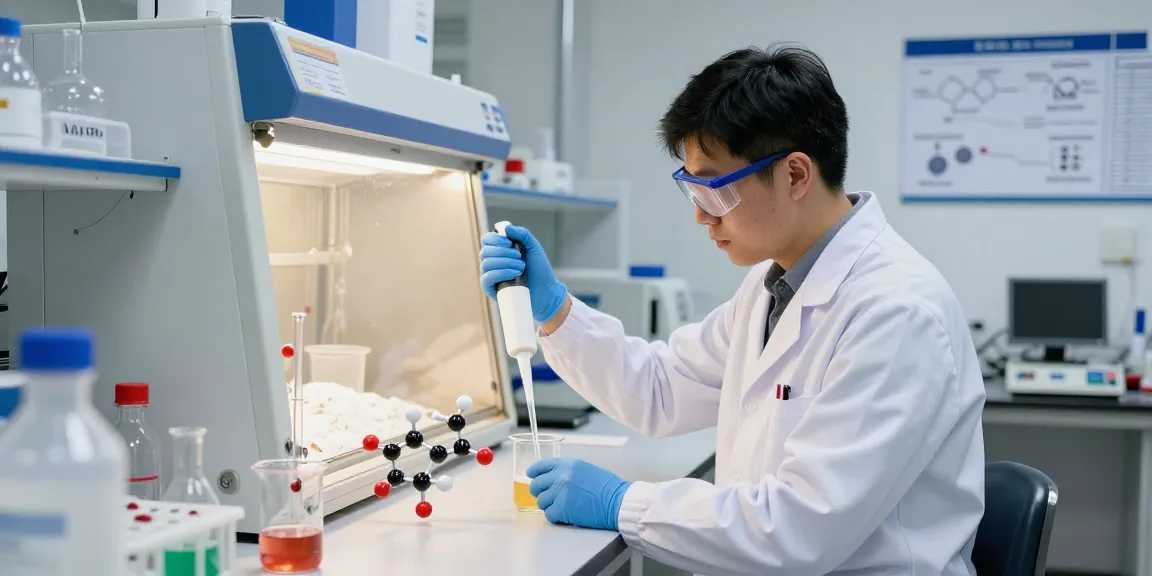
The Importance of Reconstitution in Peptide Research
In the realm of peptide research, the process of reconstitution is critical for achieving accurate and reliable experimental outcomes. It involves the dissolution of lyophilized peptides, allowing researchers to work with manageable solutions. This process influences the stability, efficacy, and overall functionality of peptides in various applications—ranging from therapeutic formulations to laboratory assays. Understanding the nuances of reconstitution is essential for researchers aiming to maximize the potential of their peptide stocks. For instance, selecting the appropriate method and medium can significantly enhance the performance of peptides in clinical studies. Furthermore, the right reconstitution solution can greatly facilitate the reconstitution process.
Understanding Peptide Stability
Peptide stability refers to the ability of a peptide to maintain its structure and functions over time in a given environment. This stability can be affected by various factors including pH, temperature, light exposure, and the nature of solvents used for reconstitution. Research has shown that peptides are often sensitive to hydrolysis, oxidation, and aggregation, which can compromise their biological activity. Therefore, understanding the stability profile of a peptide is crucial when selecting reconstitution solvents and conditions.
For instance, many peptides are prone to degradation at extreme pH levels or high temperatures. In practical terms, this means that using a buffer solution with an appropriate pH range and controlling the temperature during handling can lead to enhanced peptide stability. Moreover, understanding the specific stability characteristics of various peptides allows for the optimization of experimental conditions that reduce the risk of degradation.
Impact on Experimental Results
The impact of reconstitution on experimental results cannot be overstated. A poorly reconstituted peptide can yield inconsistent data, leading to difficulties in replicating experiments and potentially invalidating research findings. For example, if a peptide is not dissolved uniformly, different concentrations can lead to diverse results across tests, regardless of the intended experimental design.
Additionally, variations in peptide activity owing to improper reconstitution affect not just the immediate experiments but can also mislead further research developments. Accurate reconstitution can enhance reproducibility, allowing researchers to establish trust in their data. This reliability is particularly vital in fields such as pharmacology, where the efficacy of drug compounds is contingent upon precise peptide behavior.
Common Mistakes to Avoid
Despite the accessibility of resources, many researchers still encounter pitfalls during the reconstitution process. Common mistakes include using the wrong solvent, failing to account for peptide solubility, and neglecting sufficient mixing times. Each of these errors can lead to inefficient reconstitution and subsequent experimental failures.
In particular, using a solvent that is incompatible with the peptide can lead to precipitation or incomplete dissolution. For instance, attempting to reconstitute a hydrophobic peptide in water will often result in poor solubility, making it essential to choose solvents that favor the peptide's unique chemical properties. Moreover, inadequate mixing can leave peptides in a partially dissolved state, jeopardizing experimental integrity.
Step-by-Step Guide to Reconstitution
Choosing the Right Solvent
Choosing the correct solvent for reconstitution is a pivotal step that dictates the success of subsequent experiments. Solvents can vary widely in their chemical properties; some are polar, while others are non-polar, and their compatibility with peptides is influenced by their solubility characteristics.
Water is often the first consideration, particularly for hydrophilic peptides. However, for many highly hydrophobic peptides, organic solvents or specialized buffer solutions may be necessary. Moreover, pH levels and ionic strength of the solvent also play a significant role in dissolving peptides effectively. Therefore, it is advisable to consult the peptide’s specification sheet for recommended solvents and conditions.
Mixing Methodology
Mixing is another crucial aspect of the reconstitution process. Simply adding the peptide to the solvent and briefly agitating may not suffice. Depending on the peptide’s nature, varying degrees of mixing may be required. For instance, gentle inversions can often aid in dissolving delicate peptides, while others may tolerate more vigorous vortexing.
It’s also important to monitor the solution's appearance. Ensuring that the entire peptide has been incorporated into the solvent allows researchers to trust the integrity of their prepared solution. This attention to detail can prevent costly mistakes down the line.
Storage Recommendations
After successfully reconstituting peptides, proper storage is essential to maintain their efficacy. Most peptides are best stored in a cool, dry environment away from light. Refrigeration is often recommended, but it’s important to understand each peptide's storage specifications as some may require freezing.
Additionally, proper labeling of stored peptide solutions, including concentration, date of preparation, and solvent type, is essential for maintaining organization. Implementing these storage best practices can significantly extend the shelf life and functional efficacy of the reconstituted peptide solutions.
Best Practices for Handling Reconstitution Solution
Essential Lab Equipment
Utilizing appropriate lab equipment for the reconstitution process can minimize human error and enhance precision. Essential items include calibrated pipettes for accurate measurement of solvents, vortex mixers for ensuring thorough mixing, and centrifuges for clearing any undissolved particles.
Additionally, the use of clean glass or plastic containers prevents contamination and degradation of the peptides. Depending on the solvent chosen, using equipment specifically rated for chemical use can further increase safety and integrity during the reconstitution process.
Environmental Considerations
Environmental factors during the reconstitution process can significantly influence peptide stability. Temperature fluctuations, humidity, and exposure to detrimental light can alter the peptide's integrity and efficacy. It is advisable to conduct reconstitution in controlled environments, such as fume hoods or designated areas with stable temperature and humidity levels to mitigate these risks.
Implementing a quality control database can help track and assess environmental influences on peptide performance over time, aiding in research reproducibility.
Safety Protocols
Safety is paramount in any lab setting, especially when handling biological materials and solvents. Researchers should adhere to Material Safety Data Sheets (MSDS) for all chemicals involved in the reconstitution process. Appropriately using personal protective equipment (PPE), such as gloves, goggles, and lab coats, is essential.
Furthermore, ensuring proper waste disposal and having emergency protocols in place for spills or accidents can help maintain a safe laboratory environment. Conducting routine safety audits can reinforce a culture of safety and ensure compliance with best practices.
FAQs About Reconstitution Solutions in Peptide Research
What is a reconstitution solution?
A reconstitution solution is a solvent used to dissolve lyophilized peptides, enabling their use in experiments.
How does temperature affect reconstitution?
Temperature affects peptide stability; higher temperatures can lead to degradation, while optimal temperatures enhance solubility.
Can I use tap water for reconstitution?
Using tap water is generally not recommended due to impurities; using sterile or distilled water is preferable.
What is the ideal storage temperature for reconstituted peptides?
Reconstituted peptides are typically best stored at 4°C or freezing temperatures, depending on stability data.
How long can reconstituted peptides be stored?
The shelf life varies but generally ranges from a few weeks to several months, depending on the peptide and storage conditions.
Future Trends in Peptide Reconstitution
Innovative Technologies
As research becomes more advanced, so do the technologies available for peptide reconstitution. Innovations such as automated liquid handling systems and integrated solvent management systems are being utilized to improve accuracy and efficiency. These tools not only enhance precision but also reduce the potential for human error during the reconstitution process.
Moreover, development of on-site testing kits for peptide concentration verification is emerging, allowing for real-time assessment of peptide solutions post-reconstitution.
Research Advancements
Advancements in peptide synthesis and characterization continue to influence the reconstitution process. Researchers are developing peptides with improved stability profiles, allowing them to maintain biological activity under various conditions. This could potentially minimize challenges faced during reconstitution and expands the range of applications for peptides in therapeutic settings.
Exploratory research into modifying peptide structures for enhanced solubility is underway, providing hope for future peptide designs that are easier to work with and less prone to degradation.
Industry Standards and Guidelines
The establishment of industry standards for peptide reconstitution is gaining traction within the scientific community. Such guidelines aim to standardize best practices across laboratories, encouraging reproducibility and reliability in peptide research. Having universally accepted practices can help facilitate collaboration and streamline the review process of research studies, ultimately advancing the field as a whole.
As the peptide research landscape evolves, these standards will likely incorporate new findings and technologies, ensuring they remain relevant and effective.