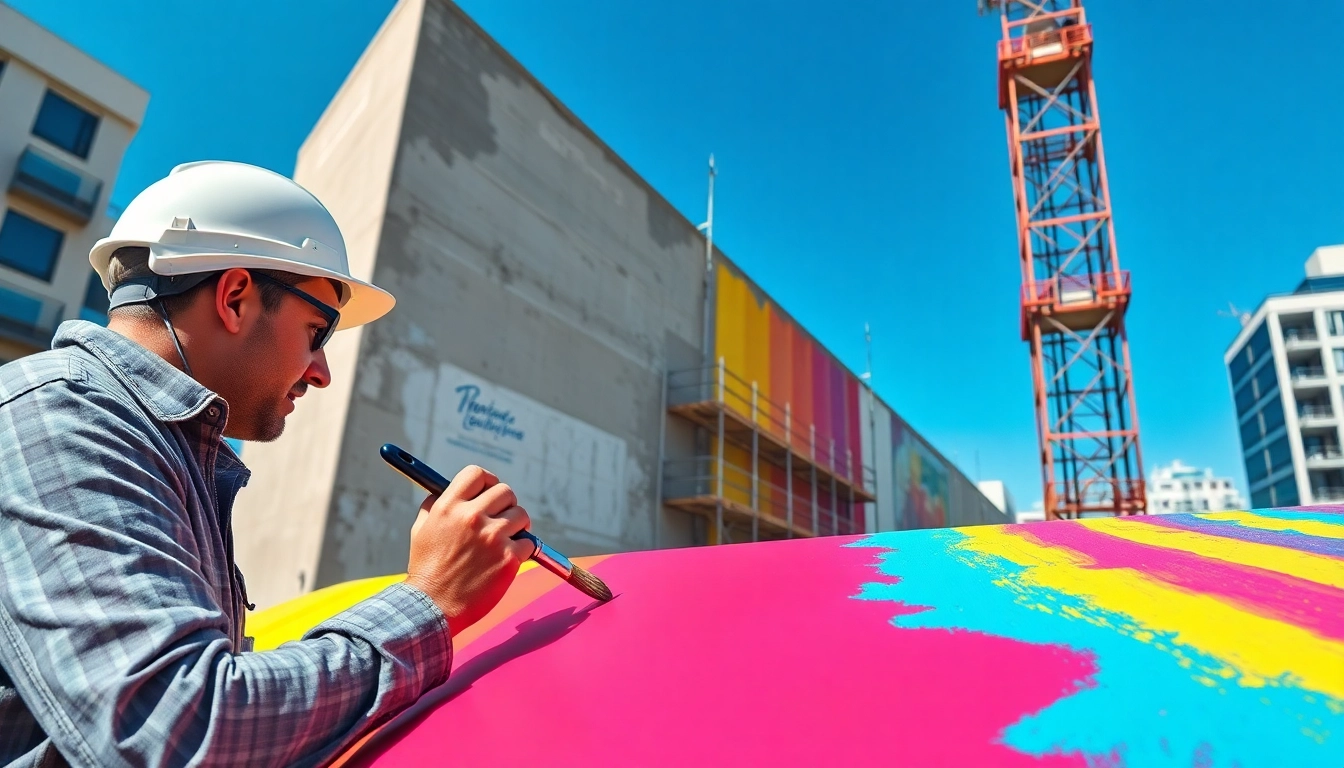
Introduction to Painting Commercial Projects
In the business world, the visual ambiance of a space can significantly influence customer perceptions and employee productivity. This is where painting commercial services come into play. Commercial painting is more than just applying a coat of paint; it's about creating an environment that reflects a company's branding, ethos, and overall vision. This comprehensive guide will delve into various aspects of commercial painting, including methodologies, color psychology, efficiency maximization, and frequently asked questions, providing you with an extensive resource to enhance your commercial spaces.
Understanding Commercial Painting
Commercial painting encompasses the application of paint on various commercial structures, including offices, retail spaces, warehouses, and other business facilities. Unlike residential painting, which often prioritizes aesthetics, commercial painting services must consider factors such as durability, compliance with safety standards, and the functionality of the space. Understanding commercial painting's unique nature can help business owners appreciate its value in cultivating a welcoming and professional environment.
Types of Commercial Painting Services
- Interior Painting: This involves painting walls, ceilings, and trim inside commercial buildings. Interior commercial painting focuses on creating a specific atmosphere and must withstand high traffic and frequent cleaning.
- Exterior Painting: The exterior finish of a building is crucial for curb appeal. This service protects the structure from weather damage while enhancing its visual appeal.
- Specialized Finishes: Techniques like faux painting, textured finishes, and murals fall under this category to achieve unique aesthetics tailored to brand identity.
- Industrial Painting: Utilized for warehouses and factories, industrial painting focuses on safety, durability, and compliance with regulations.
- Eco-Friendly Painting: Using sustainable, non-toxic paints that are less harmful to the environment can enhance brand reputation and safety.
Why Quality Matters in Commercial Painting
Choosing high-quality materials and skilled professionals for commercial painting is paramount. Inferior products can lead to peeling, fading, and overall dissatisfaction, which might impact customer perception negatively. Additionally, quality work contributes to extending the life of the paint job, reducing the need for frequent touch-ups and reapplications. The cost-effectiveness of investing in quality cannot be overstated, as it ensures that the aesthetic integrity of a space is maintained over time.
Choosing the Right Colors for Commercial Spaces
Color plays a crucial role in influencing emotions and perceptions in a commercial setting. Understanding color psychology and the latest trends can help businesses make informed decisions about their painted spaces.
Color Psychology in Commercial Settings
Colors evoke emotions and can significantly affect the behaviors of both customers and employees. For instance, blue hues are often associated with professionalism and trust, making them ideal for financial institutions. Conversely, bright colors like yellow can stimulate energy and creativity, suitable for creative workspaces. Understanding how colors communicate messages can help businesses create environments that align with their goals.
Trends in Commercial Color Palettes
Staying up-to-date with the latest color trends is critical for ensuring that commercial spaces feel fresh and current. Neutral palettes with pops of vibrant color are increasingly popular, as they provide a professional backdrop while allowing for creativity in branding. Earthy tones are also on the rise due to their calming effects and alignment with eco-consciousness.
How to Select Colors that Reflect Your Brand
When selecting colors, business owners should consider not only aesthetics but also brand identity. Engaging with a professional color consultant can provide insights into creating a cohesive look that strengthens brand recognition. Additionally, testing paint samples and examining them in different lighting conditions will help ensure the final choice aligns well with the intended branding.
Techniques and Tools for Effective Commercial Painting
Success in commercial painting projects is heavily dependent on using the right techniques and tools.
Essential Tools for Successful Painting
Commercial painters utilize a range of tools to ensure efficiency and quality. Essential tools include:
- Brushes and Rollers: Different sizes and types suit various surfaces. High-quality brushes and rollers can impact the smoothness of the finish.
- Sprayers: Ideal for large areas, sprayers provide an even coat and save time, making them a popular choice for commercial projects.
- Drop Cloths and Tape: Protecting areas not intended for painting is essential. Using quality tape ensures clean lines, reducing the risk of costly touch-ups.
- Ladders and Scaffolding: Safety and accessibility at height are paramount, and appropriate equipment ensures a secure workflow on large projects.
Common Techniques Used by Professionals
Experienced commercial painters often employ various techniques to achieve the desired finish. Popular methods include:
- Rolling: Efficient for flat surfaces, allowing for quick coverage and minimal mess.
- Brushing: Useful for corners and intricate areas that require precision.
- Spraying: Perfect for covering large areas quickly, providing an even coat.
- Texturing: Adds depth and dimension, commonly used in commercial spaces for visual interest.
Safety Measures in Commercial Painting
Prioritizing safety is crucial in commercial painting projects. Adhering to regulations and implementing safety measures not only protects workers but also ensures the project proceeds smoothly. Essential safety measures include:
- Using Personal Protective Equipment (PPE): Ensure that all staff wear appropriate gear, such as gloves, masks, and goggles.
- Proper Ventilation: Ensure workspace ventilation by opening windows or using fans to reduce exposure to fumes.
- Hazard Communication: Familiarize staff with Material Safety Data Sheets (MSDS) for all materials used.
Maximizing Efficiency in Commercial Painting Projects
Time and resource management can significantly affect the success of a painting project. From planning stages to execution, maximizing efficiency should be a primary focus.
Planning Your Commercial Painting Project
Thorough planning is essential. Begin by identifying key objectives, timelines, and budget considerations. Conducting a site walkthrough with your painting contractor will help identify any specific needs or challenges that could arise during the project.
Managing Time and Resources Effectively
Efficient resource management involves scheduling work hours to minimize disruptions to everyday business operations. Routine assessments of the progress can help maintain momentum and adhere to timelines. Investing in competent painters is also crucial, as skilled professionals can execute tasks more quickly and accurately than less experienced laborers.
Measuring Success: Performance Metrics in Painting Commercial
To ascertain the success of a commercial painting project, businesses should consider various performance metrics, including:
- Time Efficiency: Measure the actual time taken against the planned timeline.
- Budget Adherence: Track expenditures to ensure they align with the original budget.
- Quality of Finish: Evaluate the aesthetic quality of the paint job to determine if it meets required standards.
- Feedback from Stakeholders: Gathering input from employees and clients can provide valuable insights into the impact of the finished project.
FAQs About Painting Commercial Services
What is included in commercial painting services?
Commercial painting services typically include surface preparation, painting, cleanup, and sometimes post-job inspection to ensure quality.
How often should commercial spaces be repainted?
The frequency of repainting depends on factors like traffic, paint quality, and space use. Generally, every 5-7 years is advisable for most commercial areas.
What factors affect the cost of commercial painting?
Cost factors include the size of the space, type of paint used, labor costs, and any necessary surface preparation or repairs before painting.
Are eco-friendly paints available for commercial use?
Yes, many manufacturers offer eco-friendly paints that are low in VOCs, providing safer options for commercial environments.
How do I choose the right painting contractor?
Look for contractors with proven experience, positive reviews, transparent cost estimates, and a portfolio demonstrating their past work quality.
Contact Information
Address:Branam Brushworks LLCCall Us:+12076168892