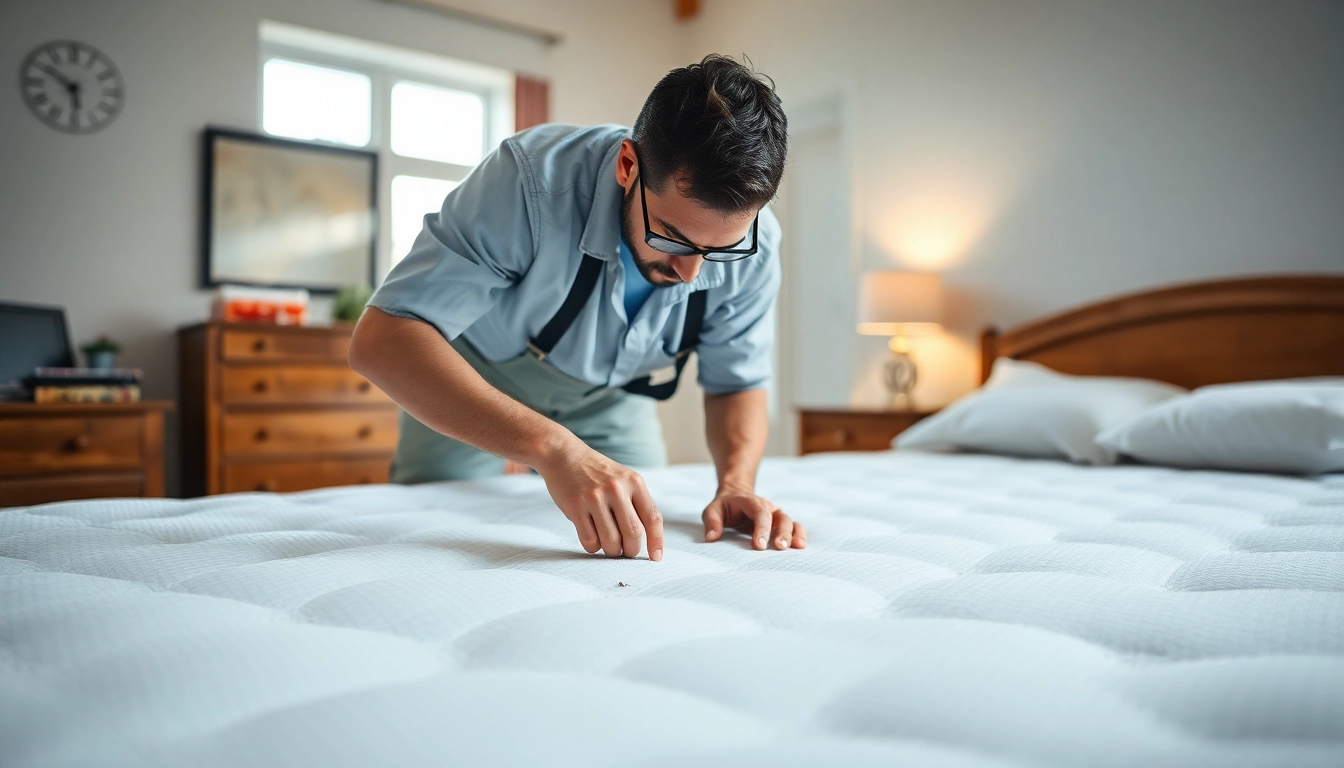
Understanding Bed Bugs and Their Impact
What are Bed Bugs?
Bed bugs are small, reddish-brown, wingless insects that feed primarily on the blood of humans and other warm-blooded hosts. Measuring about 4 to 5 mm in length, these pests are notorious for their ability to hide in small crevices and their rapid reproduction rate. Adult bed bugs typically thrive in environments that allow them to easily access their hosts during the night, making them common nuisances in homes, hotels, and other shared spaces.
Signs of Infestation
Detecting a bed bug infestation early is critical to effective control. Common signs include:
- Visible Bed Bugs: Spotting live or dead bed bugs, especially in and around sleeping areas.
- Bed Bug Bites: Red, itchy welts on the skin typically found on exposed areas of the body such as arms and neck.
- Blood Stains: Small blood spots on sheets or mattresses, often resulting from crushed bed bugs.
- Dark Spots: Fecal marks from bed bugs, which may appear as small black dots on bedding and walls.
- Egg Casings: Tiny, white eggs or shedding skins in close proximity to where humans sleep.
Consequences of Neglected Infestations
Failing to address a bed bug infestation can lead to significant emotional and financial strain. On a psychological level, individuals may experience stress, anxiety, and sleep disturbances. Financially, the costs associated with prolonged infestations can escalate rapidly due to ongoing pest control efforts, replacement of infested furniture, and medical expenses from bites. Moreover, prolonged infestations can lead to reputation damage for businesses, especially hotels and rental properties.
Evaluating Your Bed Bug Treatment Options
Chemical Treatments vs. Heat Treatments
When it comes to bed bug treatment, homeowners typically choose between chemical treatments and heat treatments. Chemical treatments involve using pesticides specifically designed to eliminate bed bugs effectively. These can be applied by professionals or, in some cases, purchased for DIY use. However, it's essential to follow the manufacturer's instructions closely to minimize health risks and ensure efficiency.
On the other hand, heat treatments are an increasingly popular method due to their efficacy at all life stages of bed bugs. This process entails raising the temperature of infested areas to levels lethal for bed bugs. When properly performed, heat treatments can eliminate these pests within a single session without the need for harmful chemicals.
Natural Remedies for Bed Bugs
While many seek professional assistance for bed bug issues, some prefer natural remedies. These can include the use of essential oils such as tea tree oil and lavender oil, which possess insect-repelling properties. Additionally, diatomaceous earth, a natural substance, can be sprinkled in infested areas as it works by dehydrating the pests that contact it. However, it's important to note that while natural remedies can aid in managing minor infestations, they may not be sufficient for major outbreaks, often requiring more robust methods.
Cost Considerations for Bed Bug Treatment
The cost of bed bug treatment varies significantly based on the severity of the infestation and the methods employed. Basic chemical treatments may start around a few hundred dollars, while comprehensive heat treatments can cost upwards of a thousand. Various factors influence these costs, including geographical location, property size, and the level of infestation. Homeowners should obtain multiple quotes to ensure competitive pricing and effective solutions.
Preparing Your Home for Bed Bug Treatment
Steps to Take Before Treatment
Proper preparation is crucial for the success of any bed bug treatment plan. Start by decluttering the living space, removing items from floors and surfaces, and vacuuming thoroughly to remove potential hiding places for bed bugs. You should also wash all bed linens and clothing in hot water, followed by drying them on high heat to effectively kill any remaining pests. Finally, seal any items that you cannot wash in plastic bags until they can be treated.
Cleaning and Decluttering Your Space
Cleaning and decluttering are integral steps in preparing for bed bug treatment. By removing clutter, you reduce hiding spaces for bed bugs and enable easier access to treatment areas. Cleaning involves vacuuming floors, furniture, and crevices, ensuring the vacuum is disposed of outside immediately to prevent re-infestation. Organizing the space not only improves treatment effectiveness but also makes it easier to spot new signs of infestation in the future.
What to Expect During Treatment
During treatment, professionals will typically conduct a thorough inspection to determine the extent of the infestation. The chosen method (chemical or heat) will be implemented as per the plan. For heat treatments, the affected areas will be heated to a specific temperature for a certain duration, while chemical treatments involve systematic application of pesticides. Homeowners should plan to vacate the premises for several hours and follow any specific instructions provided by the extermination team.
Post-Treatment Steps for Bed Bug Management
How to Prevent Future Infestations
Preventing future infestations involves a combination of vigilance and proactive strategies. It is crucial to inspect any second-hand furniture or clothing before bringing it into the home. Maintain cleanliness and minimize clutter, particularly in sleeping areas. Additionally, utilizing mattress encasements can help protect against bed bugs and allow for easier monitoring.
Long-Term Monitoring Strategies
Regular inspections should be part of your long-term strategy for bed bug management. Staying vigilant and checking for signs of bed bugs every few months can prevent a small issue from becoming a larger problem. Setting up traps around bed legs can also help monitor any returning bugs without significant effort.
When to Call a Professional
Despite best efforts with DIY methods, there are times when calling a pest professional becomes imperative. If the infestation persists or worsens despite treatment attempts, or if signs of bed bugs are recurrent, professional extermination services will likely be needed. They have the knowledge, experience, and access to more potent treatment options that are often necessary for severe infestations.
FAQs About Bed Bug Treatment
How do I get rid of bed bugs quickly?
Vacuum every day, especially around seams and corners. Wash bedding and clothing in hot water and dry for at least 30 minutes to eliminate bed bugs.
What is the best bed bug treatment?
The best method often combines heat treatments, chemical solutions, and thorough cleaning strategies to tackle all infestation levels effectively.
Can I treat bed bugs without an exterminator?
While DIY treatments may work for mild cases, professional intervention is often necessary for severe infestations due to the complexity involved.
How much does bed bug treatment cost?
Costs can vary widely based on severity, location, and treatment methods, ranging from hundreds to thousands of dollars.
How do bed bugs spread?
Bed bugs spread through personal belongings, furniture, and clothing. Remain vigilant during travel or when acquiring second-hand items.
When considering bed bug treatment, it's vital to not only understand how to eliminate these pests effectively but also how to prevent their return. With the right knowledge and preparations, managing bed bugs can be a less daunting task.