
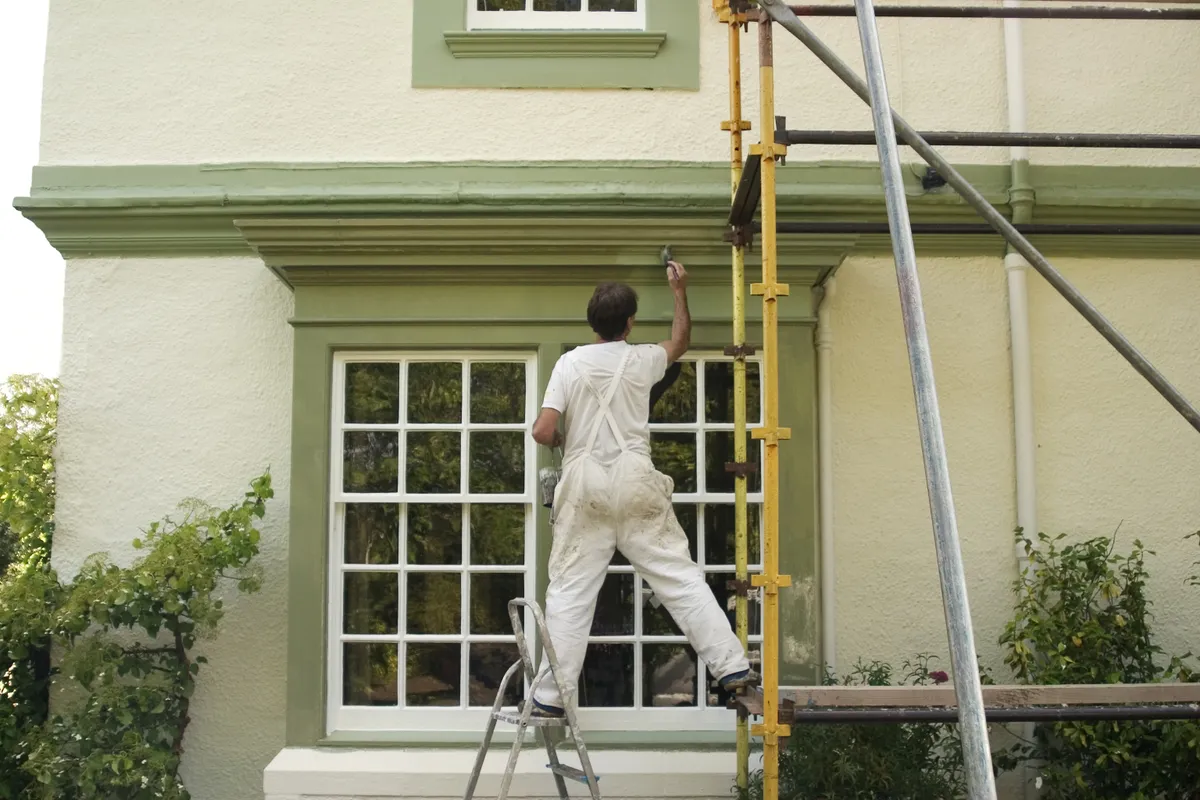
Understanding the Importance of Lead-Safe Commercial Painting
Commercial painting in older buildings requires more than standard application skills; it demands strict adherence to safety protocols and environmental regulations. Many commercial properties, especially those built before modern safety standards were introduced, may contain lead-based paint layers beneath existing finishes. Disturbing these surfaces without proper containment can pose serious health risks.
Lead-safe certification ensures that commercial painting work is performed in a controlled, compliant manner that protects occupants, workers, and the surrounding environment. This makes it a critical qualification for any contractor working on older commercial structures.
In Kennebec, where many commercial buildings have historical construction backgrounds, lead-safe practices are not optional. They are a fundamental requirement for responsible and professional commercial painting.
Why Lead-Safe Certification Matters in Commercial Painting
Health and Safety Protection
Lead exposure is a serious concern during renovation or repainting projects. When old coatings are sanded, scraped, or disturbed, toxic particles can become airborne or settle on surfaces. Without proper containment, this can lead to long-term health risks for building occupants and workers.
Lead-safe certified commercial painting ensures that these risks are managed through specialized procedures such as containment barriers, controlled removal methods, and safe disposal practices. This protects everyone involved in the project while maintaining regulatory compliance.
Legal and Regulatory Compliance
Commercial painting projects involving older buildings are often subject to strict federal and local regulations. Failure to comply can result in penalties, project shutdowns, or legal liability.
Lead-safe certification demonstrates that a contractor follows approved safety standards, ensuring that commercial painting work meets legal requirements. This is especially important for property managers, landlords, and business owners who must maintain compliance across their assets.
How Lead-Safe Practices Integrate Into Commercial Painting
Initial Property Assessment
Every lead-safe commercial painting project begins with a detailed inspection of the property. This includes identifying potential lead-based coatings, evaluating surface conditions, and determining the safest approach for preparation and repainting.
This assessment helps define the scope of containment and ensures that commercial painting strategies are tailored to the specific risks present in the building.
Containment and Preparation Procedures
Once lead risk is identified, strict containment procedures are implemented. This may include sealing off work areas, using protective sheeting, and establishing controlled entry points to prevent contamination spread.
Surface preparation in lead-safe commercial painting is performed using approved methods that minimize dust generation. This ensures that hazardous particles are not released into occupied areas or the environment.
Specialized Techniques in Lead-Safe Commercial Painting
Controlled Surface Removal
Traditional sanding or scraping methods are not suitable in lead-safe environments. Instead, specialized tools and techniques are used to safely remove or stabilize existing coatings.
These methods are designed to reduce airborne particles while preparing surfaces for new commercial painting applications. This controlled approach is essential for maintaining safety standards.
Encapsulation and Sealing
In some cases, instead of full removal, existing lead-based coatings are sealed using specialized primers or encapsulants. These materials lock in hazardous layers and create a stable base for new commercial painting systems.
Encapsulation is often a cost-effective and safe solution when full removal is unnecessary or impractical.
Application Standards in Lead-Safe Commercial Painting
Use of Low-Dust Application Methods
During the painting phase, techniques that minimize dust and disruption are prioritized. Spray systems, controlled rolling, and careful masking help ensure that commercial painting is applied cleanly and efficiently.
These methods maintain containment integrity while delivering high-quality finishes suitable for commercial environments.
Selection of Safe, Durable Coatings
Lead-safe commercial painting also involves choosing materials that meet environmental and safety standards. Low-VOC and regulated coatings are often preferred to ensure air quality is maintained during and after application.
At the same time, these coatings must still meet performance expectations for durability, appearance, and resistance to wear.
Risk Management in Commercial Painting Projects
Protecting Occupants and Workers
Safety is the central priority in lead-safe commercial painting. All procedures are designed to minimize exposure risks for both workers and building occupants. This includes proper ventilation, protective equipment, and controlled work zones.
These precautions ensure that commercial painting projects can proceed safely even in occupied or high-traffic buildings.
Waste Handling and Disposal
Lead-containing materials require specialized disposal methods. Debris generated during preparation or removal must be carefully contained and disposed of according to regulatory guidelines.
Proper waste management is a critical component of lead-safe commercial painting and ensures that hazardous materials do not re-enter the environment.
The Role of Certification in Building Trust
Professional Accountability
Lead-safe certification represents more than technical skill; it demonstrates accountability and adherence to recognized safety standards. Property owners can rely on certified contractors to handle complex commercial painting projects responsibly.
This level of accountability is especially important in commercial environments where tenant safety and regulatory compliance are ongoing concerns.
Confidence in Long-Term Results
When commercial painting is performed under lead-safe certification standards, property owners gain confidence that the work is not only visually effective but also structurally and environmentally responsible.
This assurance contributes to long-term trust and reduces the risk of future complications related to improper handling of hazardous materials.
Benefits of Lead-Safe Commercial Painting for Property Owners
Safer Renovation Environments
Lead-safe practices ensure that commercial painting projects can be completed without exposing occupants to harmful substances. This makes it possible to renovate or update older buildings while maintaining full safety standards.
Preservation of Older Buildings
Many commercial properties with historical value require careful handling during upgrades. Lead-safe commercial painting allows these structures to be preserved and modernized without damaging their integrity.
Increased Property Value and Compliance
Buildings that are maintained under proper safety standards are more attractive to tenants, buyers, and investors. Lead-safe commercial painting contributes to regulatory compliance and enhances overall property value.
Why Trusted Certification Defines Quality Commercial Painting
Integration of Safety and Craftsmanship
Lead-safe certification ensures that commercial painting is not only visually professional but also technically responsible. It combines safety protocols with skilled application techniques to deliver balanced results.
Consistency Across Complex Projects
Certified commercial painting teams follow standardized procedures that ensure consistency across all phases of a project. This reduces variability and ensures predictable, high-quality outcomes.
Conclusion: Responsible Commercial Painting for Long-Term Protection
Commercial painting built on trusted lead-safe certification represents the highest standard of safety, compliance, and craftsmanship. It ensures that older commercial buildings can be renovated and maintained without compromising health or regulatory requirements.
For property owners, this approach offers peace of mind, knowing that every stage of commercial painting is handled with precision, accountability, and respect for safety standards. In environments where risk management is as important as aesthetics, lead-safe certification becomes an essential foundation for responsible property care.